


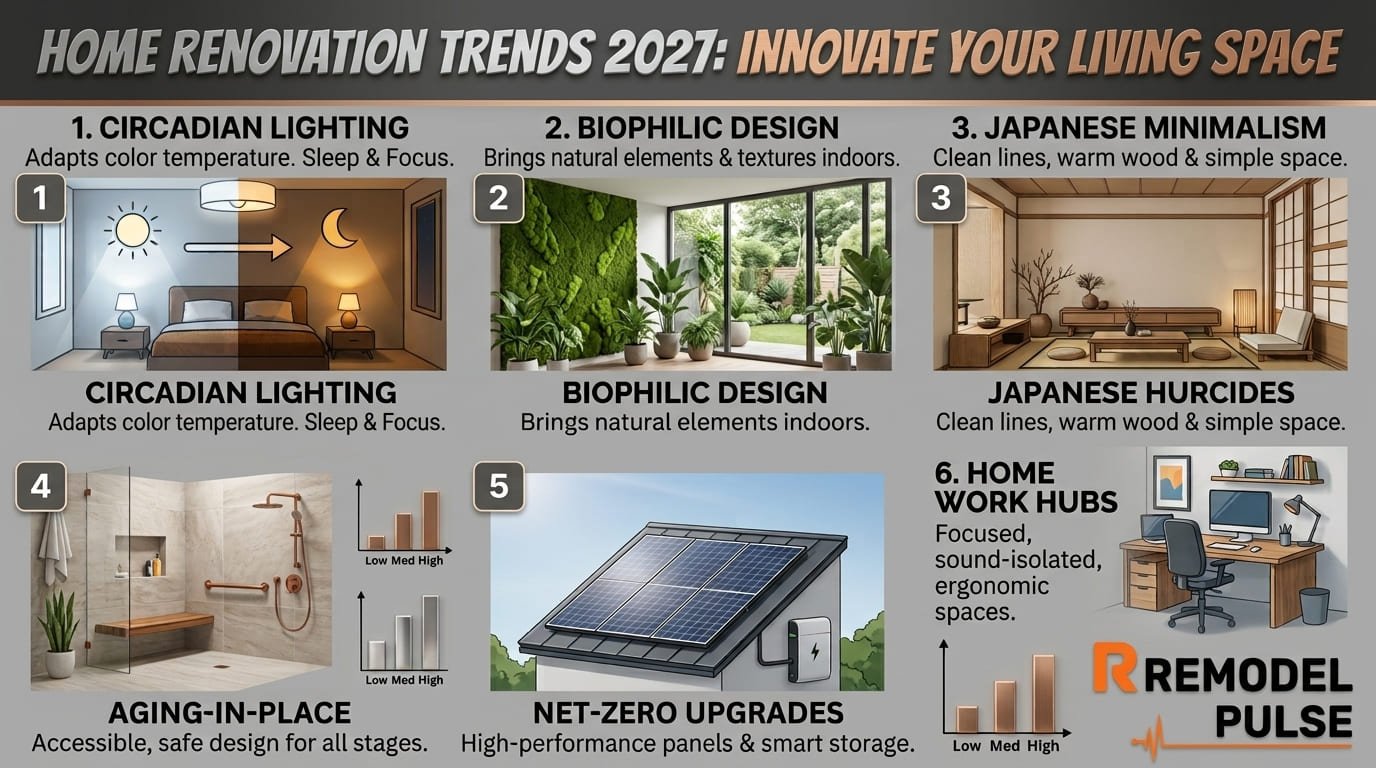
If you are planning a remodel, the home renovation trends 2027 will reward careful planning. Materials, labor, and technology all shift quickly. As a result, a smart upgrade today can become a dated expense tomorrow.
That pressure is real. Most homeowners only renovate a kitchen or bathroom once every 10 to 15 years. Therefore, each decision carries long-term weight.
This guide breaks down 10 trends that are gaining ground. For each one, you will learn what it is, why it matters, what drives the cost, and when it may not fit your home. You will also find a quick comparison table and answers to common questions.
A quick note before we start: 2027 is still ahead. So treat the items below as emerging directions, not guarantees. Some reflect confirmed market movement. Others are forecasts. I will flag the difference as we go.
What Are the Biggest Home Renovation Trends for 2027?
The short answer is comfort, efficiency, and flexibility. Homeowners increasingly want spaces that support health, cut energy waste, and adapt to changing needs. Meanwhile, technology keeps moving into the walls, the lighting, and the appliances.
The 10 trends below reflect that shift. Let’s walk through them one by one.
1. Circadian Lighting
Circadian lighting adjusts color temperature throughout the day. In the morning, it stays cool and bright. In the evening, it shifts toward warm amber tones.
Why does this matter? Human sleep and alertness follow a daily rhythm. Light is the main signal that sets that rhythm. Consequently, harsh overhead lighting at night can work against your body.
This is a confirmed product category, not a forecast. Smart bulbs and tunable fixtures are widely available today. Costs vary by fixture count and brand. A single-room upgrade is affordable. A whole-home system with automation costs considerably more.
When it may not fit: If you rent, or if you rarely use dimmable fixtures, the payoff is smaller. Start with one bedroom and test it.

2. Biophilic Design
Biophilic design brings natural elements indoors. Think living walls, large windows, natural stone, and indoor water features.
The idea is simple. Humans tend to feel calmer around natural textures and light. However, the practice has limits. Living walls need irrigation, drainage, and regular care. If you will not maintain them, they will fail.
Cost drivers: Plant selection, irrigation systems, structural support, and lighting. A small moss panel costs far less than a full living wall. Also, consult a professional about moisture control. Poor installation can damage drywall and framing.
3. Japandi and Warm Minimalism
Japandi blends Japanese simplicity with Scandinavian warmth. The result is clean but cozy. Typical choices include low furniture, natural wood, linen textiles, and earth tones.
This style is partly a reaction to clutter. Many homeowners are tired of filling rooms with items they rarely use. Therefore, they are choosing fewer, better pieces.
Practical tip: You do not need to replace everything. Instead, edit what you own. Keep pieces you love. Remove the rest. Then add one or two natural textures to soften the room.
Limitation: Minimalism can feel cold if you strip too much. Warm wood and soft fabrics prevent that.
4. Aging-in-Place Features
Aging-in-place design keeps a home usable as mobility changes. Examples include curbless showers, wider doorways, and blocking behind walls for future grab bars.
This trend is grounded in demographics. The U.S. population is aging, and many homeowners want to stay in place. That is a confirmed pattern, not a guess.
Why it pays off early: These features also help after an injury, during pregnancy, or when guests with limited mobility visit. So they are not only for older homeowners.
Cost drivers: Layout changes, waterproofing, and structural work. A curbless shower is more involved than a standard pan. Therefore, plan it during a full bathroom remodel rather than as an afterthought.
5. Net-Zero and Home Electrification
A net-zero home produces roughly as much energy as it uses. Common elements include solar, high-performance insulation, efficient heat pumps, and airtight construction.
This is a growing direction, but it is not simple. Performance depends on climate, roof orientation, utility rates, and local incentives. Additionally, incentives change often. So verify current programs before you budget.
Cost drivers: System size, home age, ductwork condition, and electrical panel capacity. Many older homes need an electrical upgrade first.
When it may not fit: If your roof is shaded, or if you plan to move soon, the payback period may be too long. Talk to a qualified energy auditor.
6. Home Work Hubs
Remote and hybrid work are now common. As a result, many homeowners want a dedicated work space, not a laptop on the kitchen table.
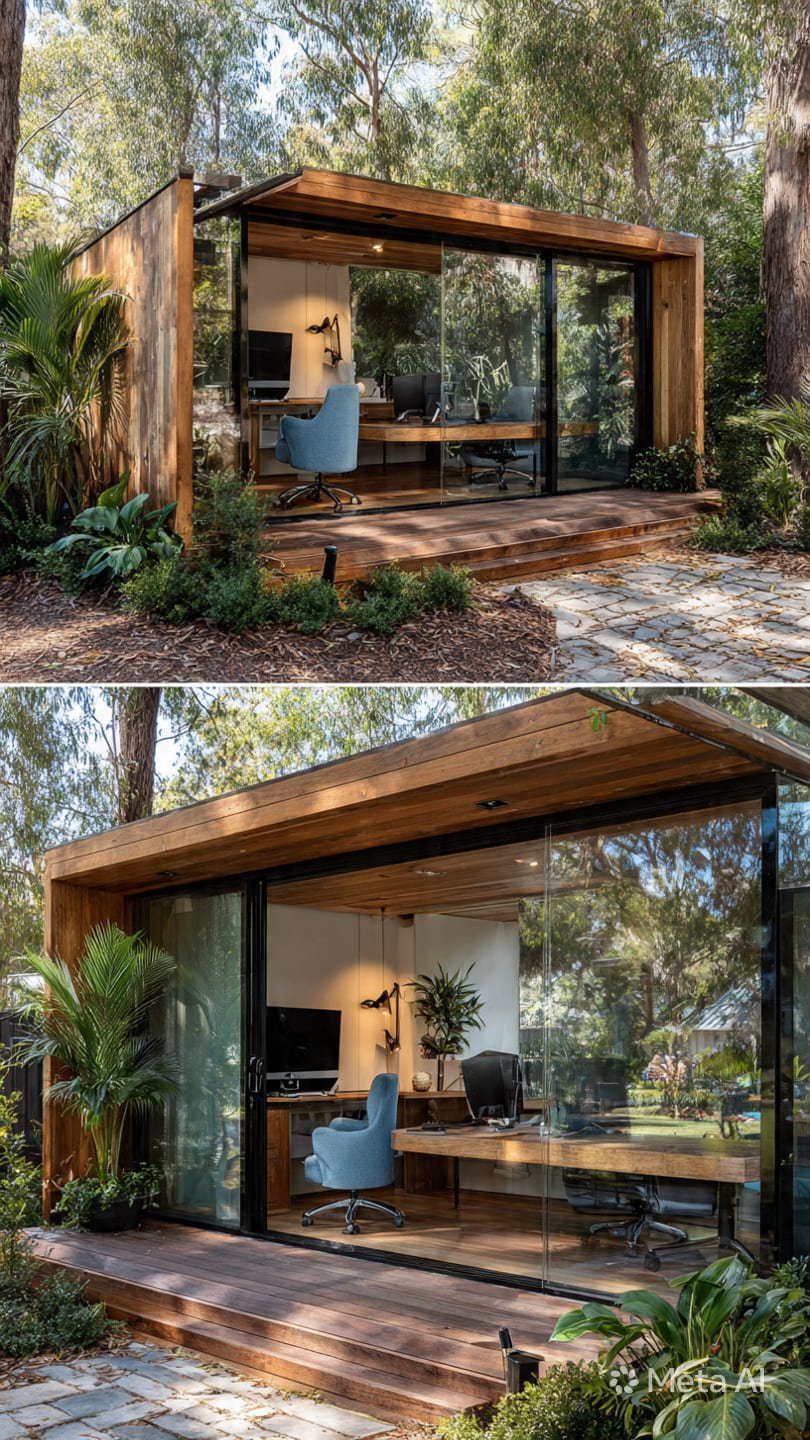
A work hub is a defined area for focused tasks. It can be a spare room, a converted garage, or a detached garden office.
Why separation matters: A dedicated space helps you end the workday mentally. It also reduces household noise and interruptions.
Cost drivers: Insulation, power, heating and cooling, and acoustics. A converted closet is the cheapest option. A detached structure costs the most.
7. Wellness Bathrooms
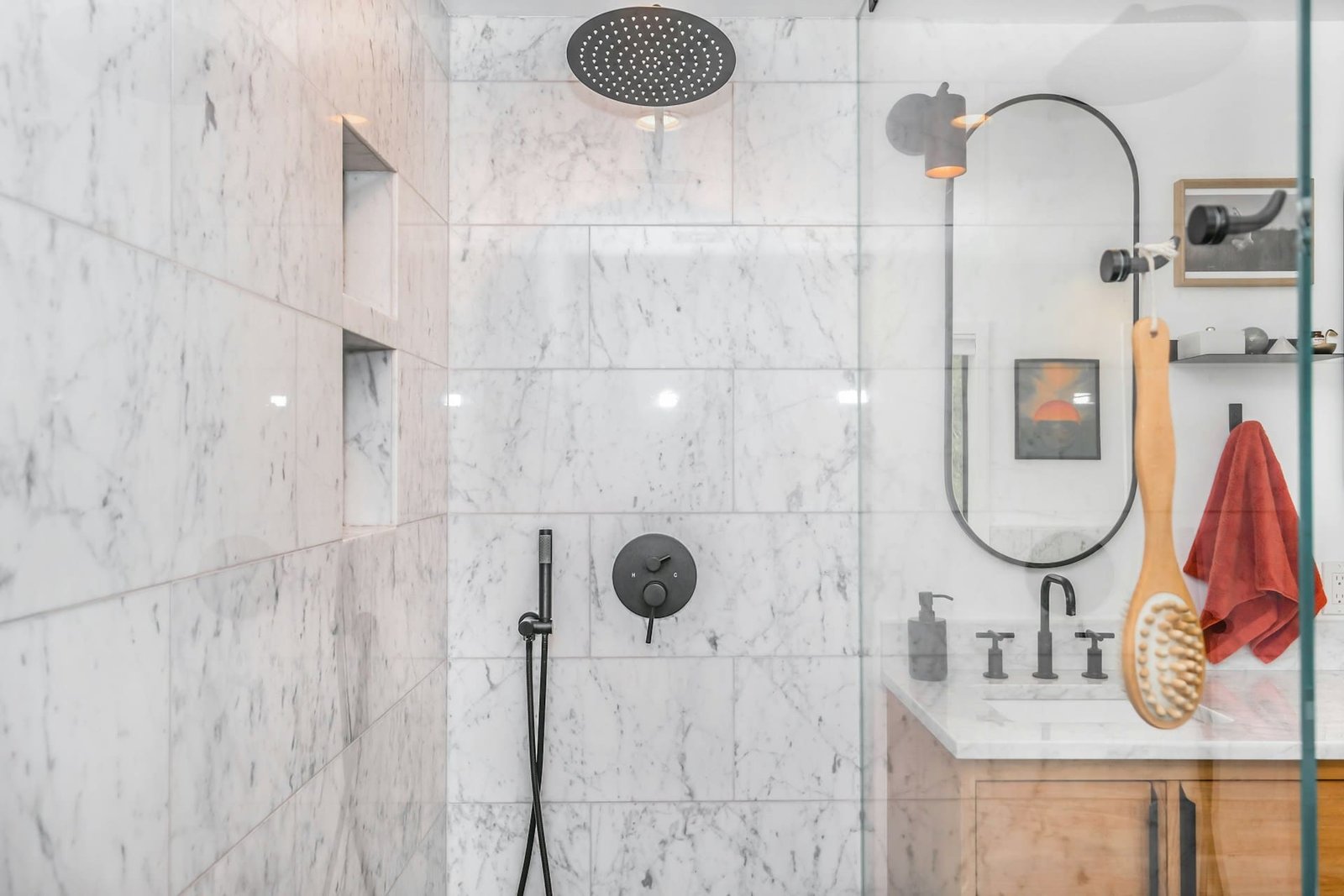
Bathrooms are shifting from purely functional rooms to recovery spaces. Features include better ventilation, warm lighting, and comfortable seating.
Some homeowners add saunas or cold plunge tubs. However, those are premium upgrades. The core trend is simpler: calm lighting, good airflow, and durable, warm materials.
Cost drivers: Waterproofing, ventilation, and fixture quality. Also, moisture control is critical. Skipping it leads to mold and costly repairs.
8. AI-Assisted Kitchens
Appliance makers now offer ovens, refrigerators, and ranges with sensors and connected features. Examples include guided cooking and food inventory tracking.
This is a fast-moving category. Some features are genuinely useful. Others are marketing. Therefore, judge each one by whether it saves you time or waste.
Practical advice: Prioritize reliability and service networks over novelty. A smart oven that is hard to repair is a liability. Also, confirm the appliance works fully without the app.
9. Honest, Unfinished Materials
Exposed brick, raw concrete, and reclaimed wood are gaining attention. The appeal is authenticity. Imperfect surfaces suggest history and character.
This look works best with restraint. Too many raw surfaces can feel cold or industrial. Therefore, balance them with soft textiles and warm lighting.
Cost drivers: Sourcing, sealing, and installation. Reclaimed materials vary in quality. Also, some finishes require ongoing maintenance.
10. Multi-Functional Spaces
Smaller homes and changing routines push rooms to do more. Examples include Murphy beds, fold-away desks, and expanding tables.
Why it helps: One well-designed room can serve as an office, a guest room, and a hobby space. That flexibility often costs less than adding square footage.
Cost drivers: Custom cabinetry and hardware. Good hardware lasts. Cheap hardware fails quickly, so it is a poor place to save.
Quick Comparison: Home Renovation Trends 2027
| Trend | Relative Cost | Best For | Main Risk |
|---|---|---|---|
| Circadian lighting | Low to medium | Better sleep, mood | Overbuying smart fixtures |
| Biophilic design | Medium to high | Calm, visual appeal | Maintenance and moisture |
| Japandi minimalism | Low to medium | Decluttering | Feeling too sparse |
| Aging-in-place | Medium to high | Long-term safety | Hidden structural work |
| Net-zero upgrades | High | Energy savings | Long payback period |
| Work hubs | Low to high | Focus, boundaries | Poor insulation |
| Wellness bathrooms | Medium to high | Relaxation | Ventilation failures |
| AI-assisted kitchens | Medium to high | Convenience | Repair costs |
| Unfinished materials | Low to medium | Character | Ongoing upkeep |
| Multi-functional rooms | Medium | Small footprints | Cheap hardware |

How to Budget for These Upgrades
Start with a realistic number. Then add 15 to 20 percent for surprises. Renovations often uncover hidden problems, especially in older homes.
Next, separate wants from needs. For example, a curbless shower may be a need if you plan to age in place. A sauna is usually a want.
Also, get at least three written quotes. Compare scope, not just price. A low bid often excludes important work.
Finally, check permits. Many projects require them. Skipping permits can create problems when you sell.
Common Mistakes to Avoid
- Chasing trends without a plan. Trends change. Your daily routine does not.
- Ignoring moisture control. This applies to bathrooms, kitchens, and living walls.
- Skipping the electrical panel check. Many upgrades need more capacity.
- Buying smart devices without checking support. Some brands stop updates early.
- Forgetting maintenance. Every feature has a cost after installation.
When to Hire a Professional
Hire a licensed professional for structural work, electrical, plumbing, and roofing. These tasks carry real safety and code risks. Also, bring in a designer or architect for layout changes that affect load-bearing walls.
You can often handle painting, minor trim, and simple fixture swaps yourself. However, confirm local rules first. Some areas require permits even for small electrical changes.
Frequently Asked Questions
What is the most affordable home renovation trend for 2027?
Lighting is the easiest starting point. Smart bulbs and dimmers cost little, and they change how a room feels. Painting is another low-cost option with high visual impact.
Are these trends worth the money?
It depends on your goals. Energy upgrades can lower bills over time. Accessibility features add long-term value for many buyers. Purely aesthetic trends may not recoup their cost at resale.
How much should I budget for a 2027 remodel?
Costs vary widely by region, home size, and material choice. Labor rates differ by market. Therefore, get local quotes before you commit. Always keep a contingency fund.
Do I need permits for these upgrades?
Often, yes. Electrical, plumbing, and structural changes almost always require permits. Rules vary by city and county. So check with your local building department early.
Will these trends look dated in a few years?
Some will. Bold, trend-driven choices date fastest. Neutral, functional upgrades tend to age well. Focus on quality and comfort rather than novelty.
Can I phase a renovation over several years?
Yes, and many homeowners do. Start with the highest-impact items, such as lighting and layout. Then add technology and finishes later. Phasing spreads the cost and reduces disruption.
Final Thoughts
The home renovation trends 2027 point in one clear direction. Homeowners want homes that work harder and feel better. Lighting, nature, efficiency, and flexibility all support that goal.
You do not need to adopt every trend. Instead, pick the ones that match your budget, your climate, and your daily life. Then plan carefully and hire licensed pros for the risky parts.
Your next step is simple. Write down your top three goals. Then get three local quotes for the first one. That small move turns a long wish list into a real project.
Ready to Plan Your 2027 Renovation?
Whether you are planning a full remodel or a smart, small upgrade – start with a clear vision.









Leave a comment