

Here is a surprise from the latest national data: the project that returns the most money at resale is not a kitchen, a bathroom, or an addition. In fact, it is a garage door.
According to the most recent Cost vs. Value report, a garage door that costs around $4,700 returned roughly $12,500 in added resale value. Meanwhile, big, expensive interior remodels often returned only a fraction of what they cost. If you are about to spend real money on your home, that gap is worth knowing about before you sign anything.
Below, this guide shares what US data says about which improvements pay off, why different studies disagree, and how to choose projects that fit your home and your plans. Above all, the goal is simple: help you spend wisely, whether you are selling next spring or staying for ten more years.
The short answer
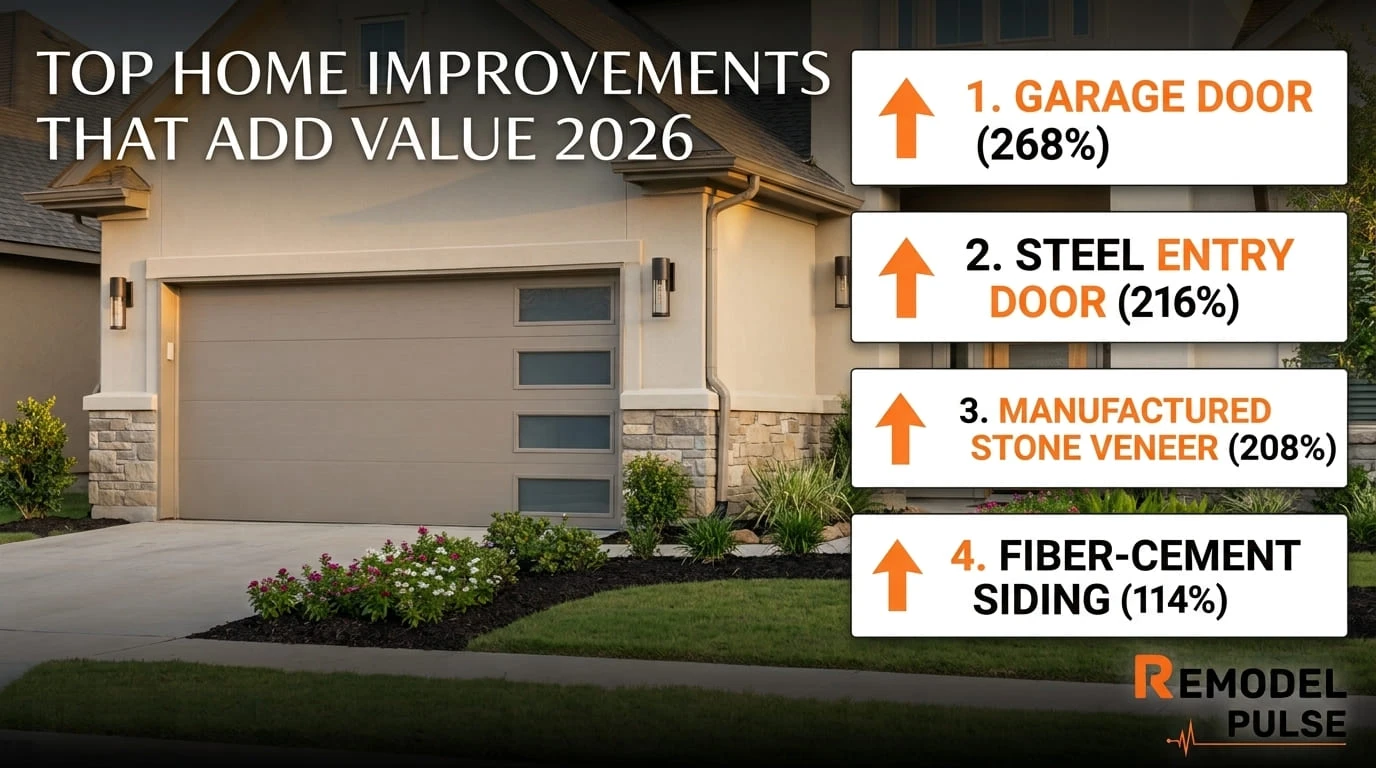
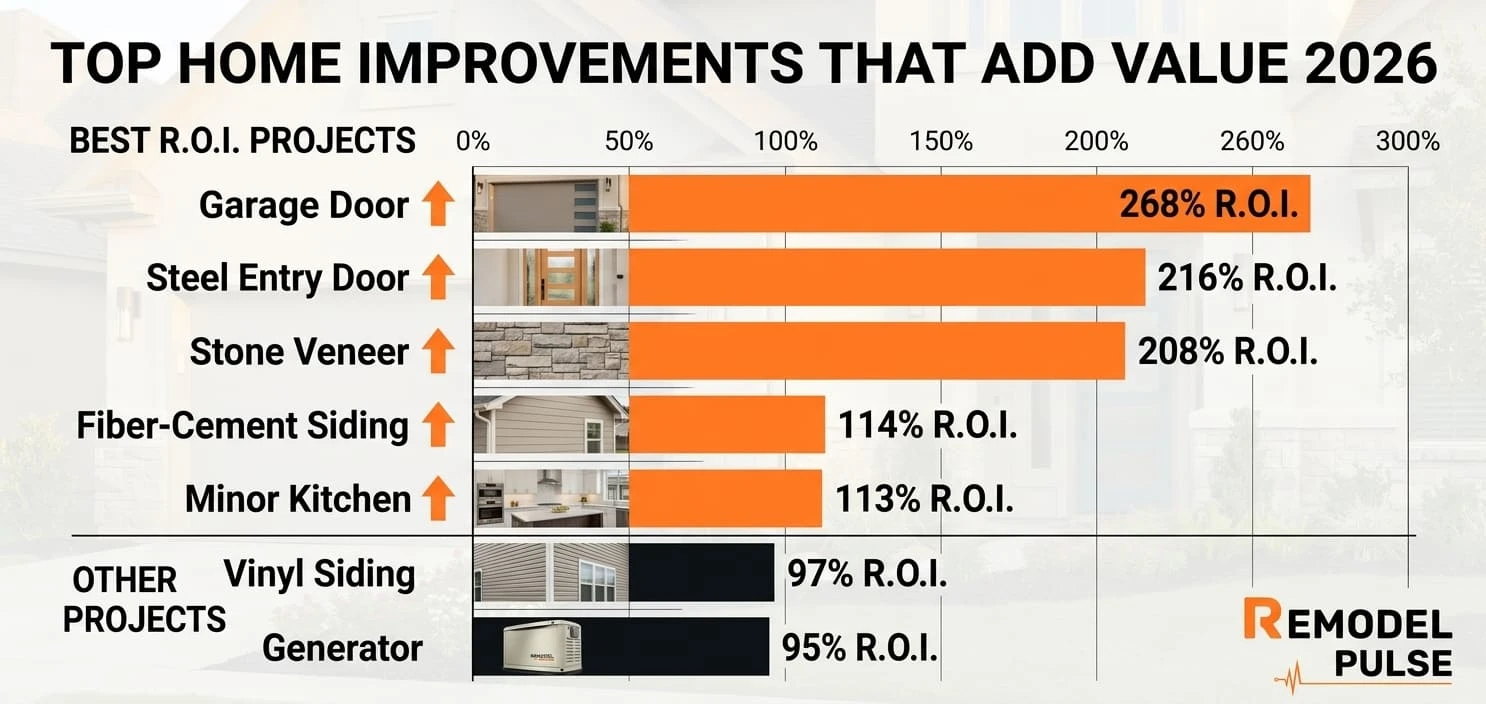
In short, small, visible upgrades beat big, personal ones. Specifically, the best-performing projects in the latest national ranking were garage door replacement (about 268 percent of cost recouped), steel entry door (about 216 percent), manufactured stone veneer (about 208 percent), fiber-cement siding (about 114 percent), and a minor kitchen remodel (about 113 percent). By contrast, major kitchens, bathrooms, and additions usually return much less. Of course, some projects are worth doing for how they make your home feel, even if they do not fully pay back.
What “adds value” really means
When people ask which projects add value, they usually mean one of four different things. Unfortunately, mixing them up is how people end up disappointed.
- First, resale value. How much more a buyer will pay because of the project.
- Second, living value. How much happier you are in the house every day. In fact, the National Association of Realtors (NAR) tracks this with a “Joy Score.”
- Third, protective value. Fixing things that would cost you more if you ignored them, like a failing roof.
- Finally, tax value. Certain improvements can reduce your taxable gain when you sell. More on that below.
Meanwhile, NAR’s 2025 Remodeling Impact Report found something striking. Specifically, the projects with the highest joy, like a primary suite, a kitchen upgrade, and a new roof, were not the ones that recovered the most cost. In fact, NAR’s own economist called the gap between joy and cost recovery intriguing. In other words, the project that makes you happiest and the project that makes you the most money are often different.
How to read the numbers
Two major studies are used again and again, and they measure different things. Therefore, knowing the difference helps you trust them properly.
| Study | Who made it | What it measures | Good to know |
|---|---|---|---|
| Cost vs. Value Report | Zonda, with Remodeling and the Journal of Light Construction | Average construction cost vs. what real estate professionals say a project adds to a sale price | Covers 28 projects across more than 100 US markets; national averages are not your local numbers |
| Remodeling Impact Report | NAR and the National Association of the Remodeling Industry (NARI) | Cost recovery estimates from remodelers, plus homeowner joy scores and what Realtors recommend | Estimates, not actual sales prices |
Specifically, the most recent full Cost vs. Value edition I could find is the 38th, published in September 2025. However, Zonda publishes new editions in the fall, so a newer one may be out when you read this. Therefore, check Zonda’s report page and look at your local market before you decide. Of course, these are guides, not guarantees. In fact, a project recouping 100 percent in one city can recoup far less in another.
The 2025 Cost vs. Value scoreboard
| Project | Average cost | Cost recouped at resale |
|---|---|---|
| Garage door replacement | $4,672 | About 268 percent |
| Steel entry door replacement | $2,435 | About 216 percent |
| Manufactured stone veneer | Varies | About 208 percent |
| Fiber-cement siding replacement | $21,485 | About 114 percent |
| Minor kitchen remodel | $28,458 | About 113 percent |
| Vinyl siding replacement | $17,950 | About 97 percent |
| Backup power generator | $13,534 | About 95 percent |
Notably, the report also found that eight of the top ten projects were exterior work. In fact, that pattern has held for years, and it makes sense. After all, a buyer sees the outside first, and a worn door or siding hints at neglect before they even step inside.
On the other side, large projects return less. For example, bigger kitchen remodels and primary suite additions recoup roughly a third to a half of their cost or less, according to the report, and one analysis put a mid-range primary suite addition at about 27 percent. Meanwhile, mid-range bathroom remodels have recently returned around three-quarters to four-fifths of their cost, and basement remodels about 71 percent in one summary.
What homeowners and agents say
Additionally, NAR and NARI’s 2025 report adds real-estate and homeowner viewpoints.
- For top cost recovery (NARI estimates): a new steel front door at 100 percent, closet renovation at 83 percent, and a new fiberglass front door at 80 percent.
- For highest joy scores: adding a primary suite, a kitchen upgrade, and new roofing all scored a perfect 10. In fact, the average Joy Score was 8.2.
- For what Realtors recommend before listing: painting the whole house (50 percent of Realtors), painting a single room (41 percent), and installing new roofing (37 percent).
- For what Realtors see rising demand for: kitchen upgrades (48 percent), new roofing (43 percent), and bathroom renovations (35 percent).
Meanwhile, NAR’s earlier 2024 report also found strong cost recovery for refinishing hardwood floors (about 147 percent), new wood flooring (about 118 percent), and insulation upgrades and new roofing (about 100 percent each). Different studies, different numbers, but the story is consistent: refresh and protect what is visible, and be careful with big, expensive, personal projects.
10 improvements worth your money
1. Replace the garage door
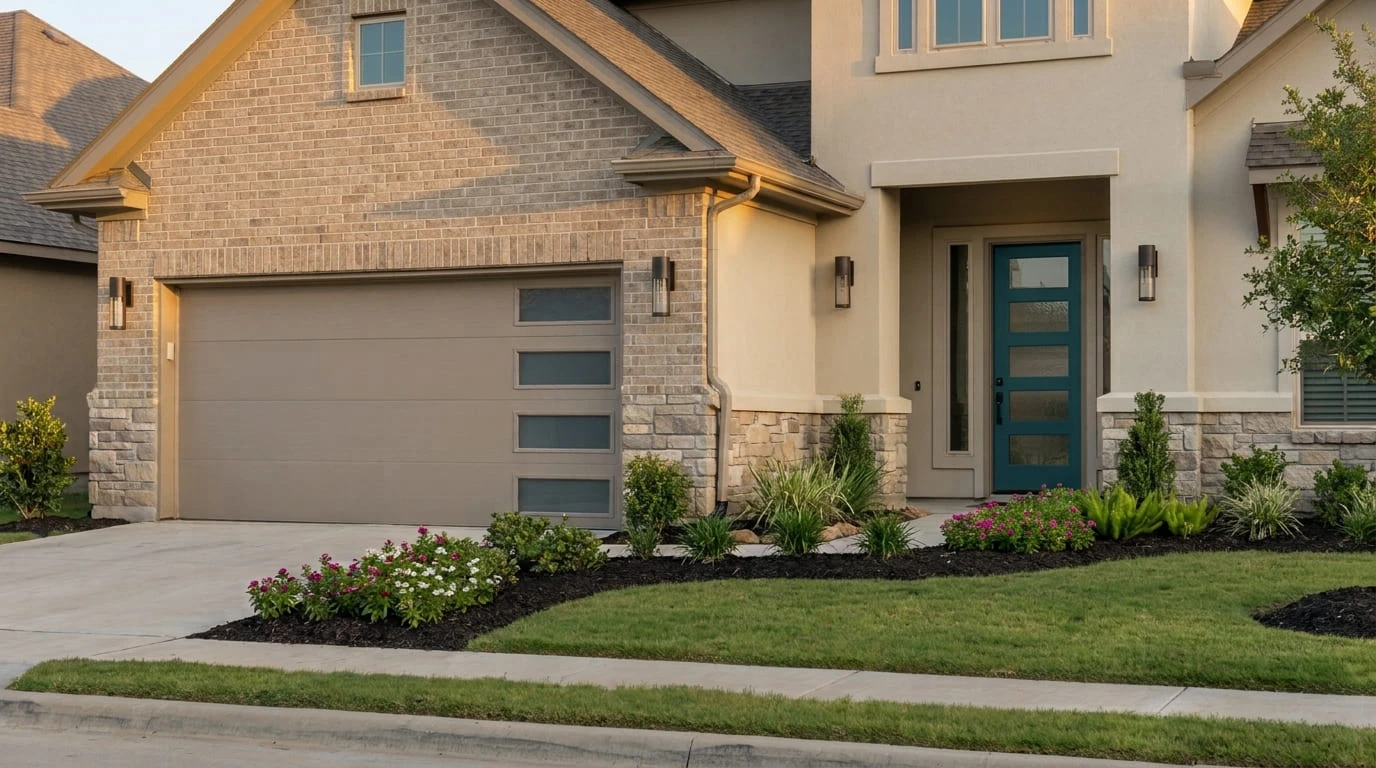
Specifically, it tops the national list two years running for a simple reason. The garage door often takes up a huge part of the front of the house, and it is a cheap project compared with most. Additionally, a new door also improves security and insulation. Therefore, pick a style that fits the house and a color that matches your trim.
2. Upgrade the front door
For example, a new steel or fiberglass entry door costs a fraction of most projects and returns near or above its cost in both major studies. Additionally, it also sets the tone for the whole house. Therefore, choose a solid door with a good lock, and consider a bold but classic color.

3. Freshen the siding or add stone veneer
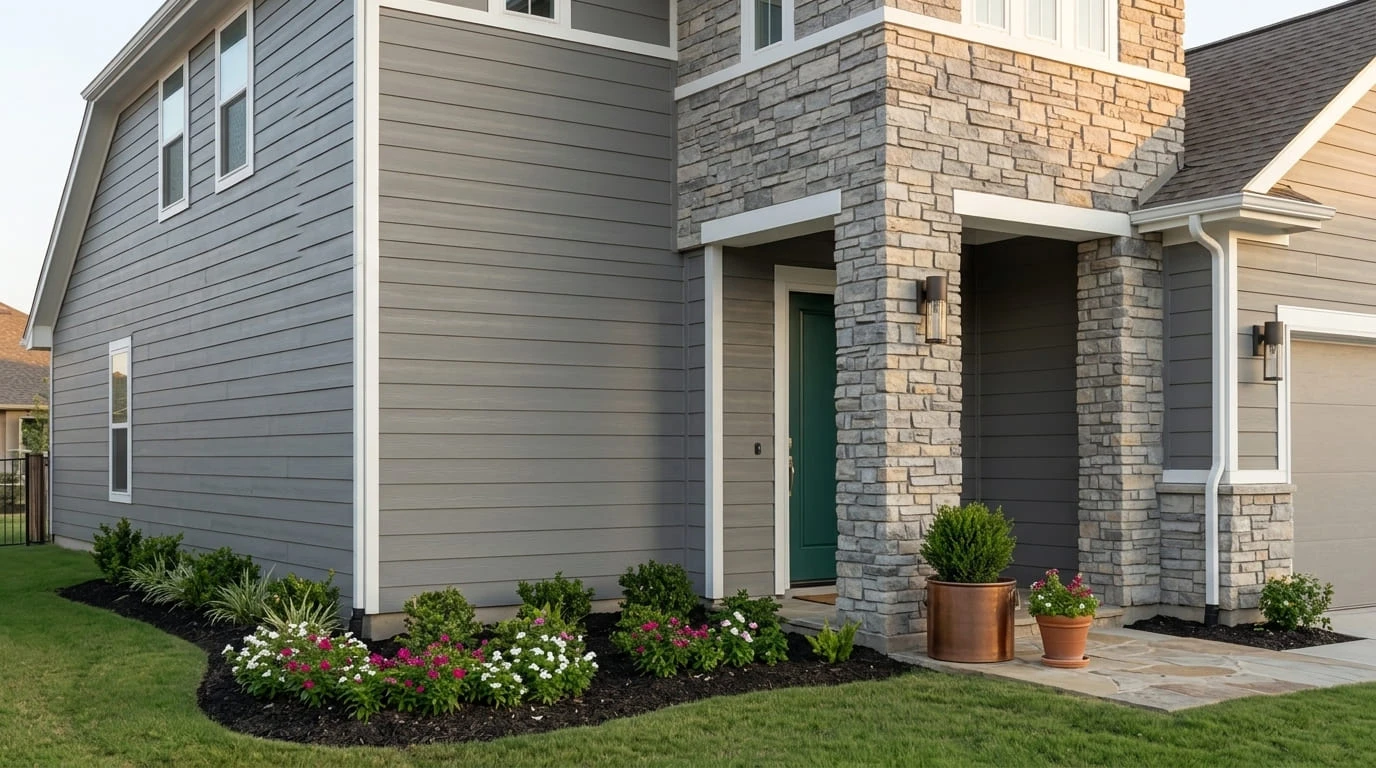
Specifically, fiber-cement and vinyl siding, and manufactured stone accents, are among the best exterior returns. In fact, buyers know what new siding means: fewer repairs and less maintenance. However, if a full siding job is too big, even a stone veneer panel around the entry or garage can lift the front of the house.
4. Paint, inside and out
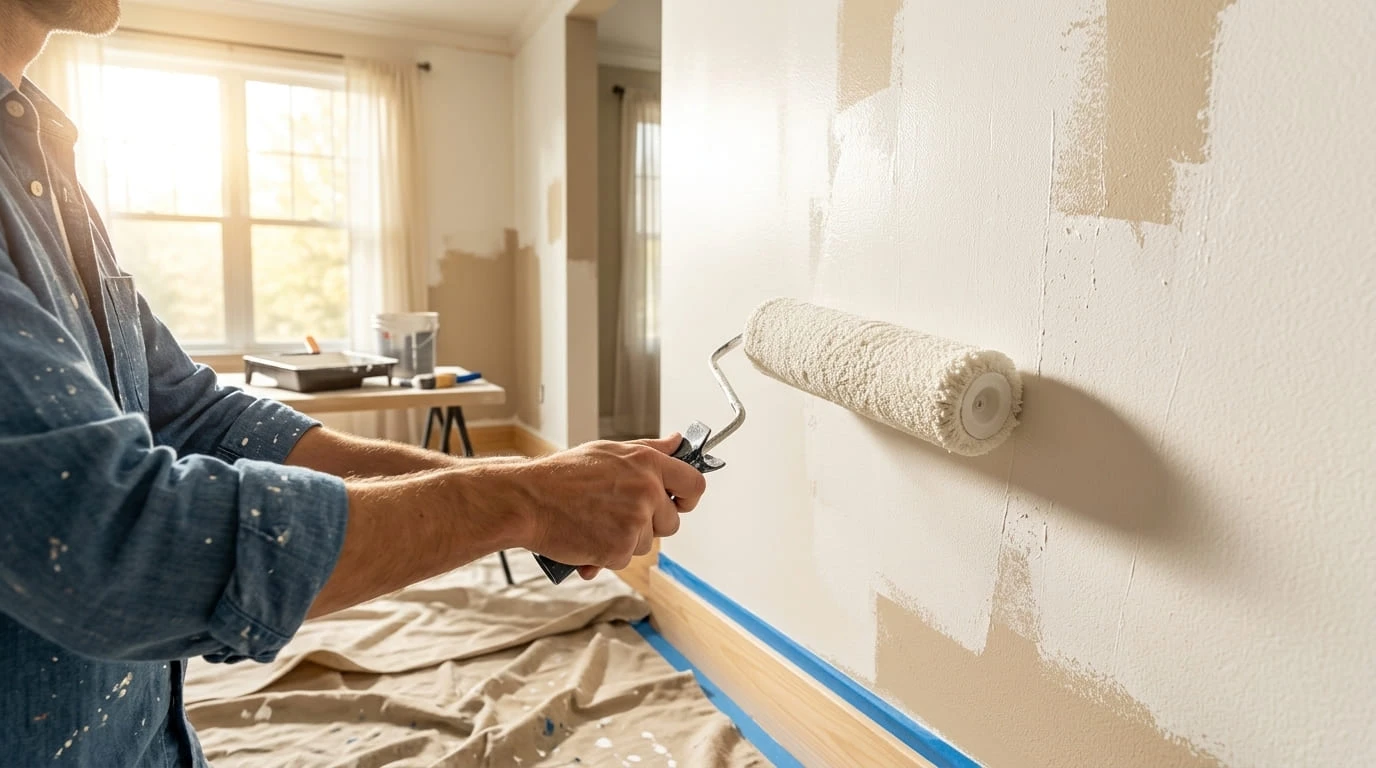
First, painting is the cheapest big-impact project. In fact, Realtors rank painting the whole house as their top pre-listing recommendation. Therefore, choose warm, neutral shades that appeal to many buyers. Meanwhile, our look at choosing a color that appeals to most buyers shows what is popular right now.
5. Refresh the kitchen without gutting it
Notably, a minor kitchen remodel is the only interior project near the top of the national ranking. Specifically, you can paint or reface cabinets, update hardware, add lighting, and replace worn counters or the faucet. For example, see a lower-cost kitchen refresh plan for ideas and real cost ranges. However, skip the gut job unless the layout truly does not work.
6. Refinish or replace the floors
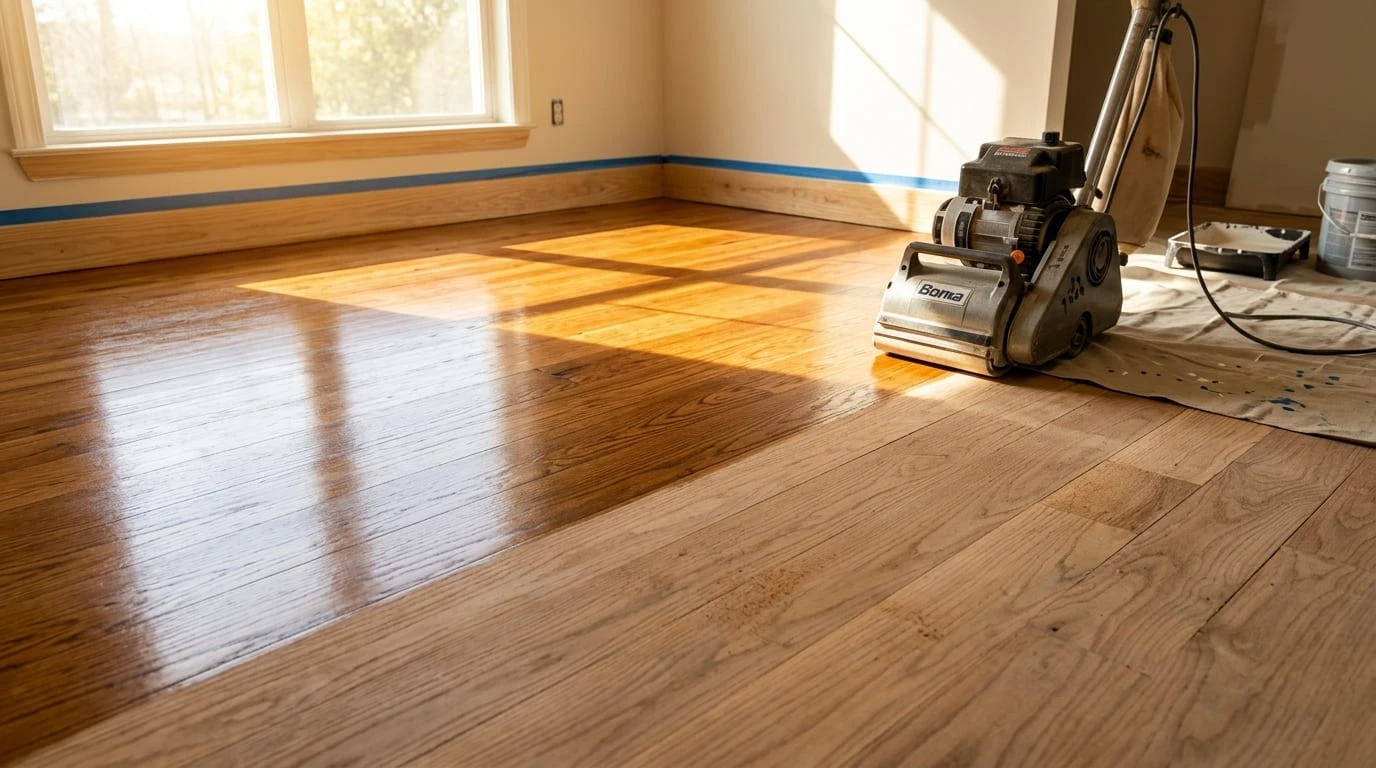
In fact, if you have hardwood under old carpet, refinishing it is one of the best returns on the list, and it earned a perfect joy score in earlier NAR studies. However, if you need new flooring, choose a durable, neutral material that fits the style of the house.
7. Replace the roof if it is worn out
Of course, a new roof is not exciting, but it protects everything beneath it. Interestingly, NAR’s reports show about full cost recovery, and it earned a perfect joy score because it removes worry. Therefore, if your roof is near the end of its life, buyers and their inspectors will notice. Meanwhile, for more on spotting trouble early, see fixes that come before upgrades.
8. Add insulation and better windows
However, energy upgrades do not show in listing photos, but they show up in monthly bills. Specifically, the EPA’s ENERGY STAR program estimates air sealing plus insulation saves the average homeowner about 15 percent on heating and cooling. Additionally, insulation upgrades also scored near full cost recovery in NAR’s earlier report.
9. Update a dated bathroom
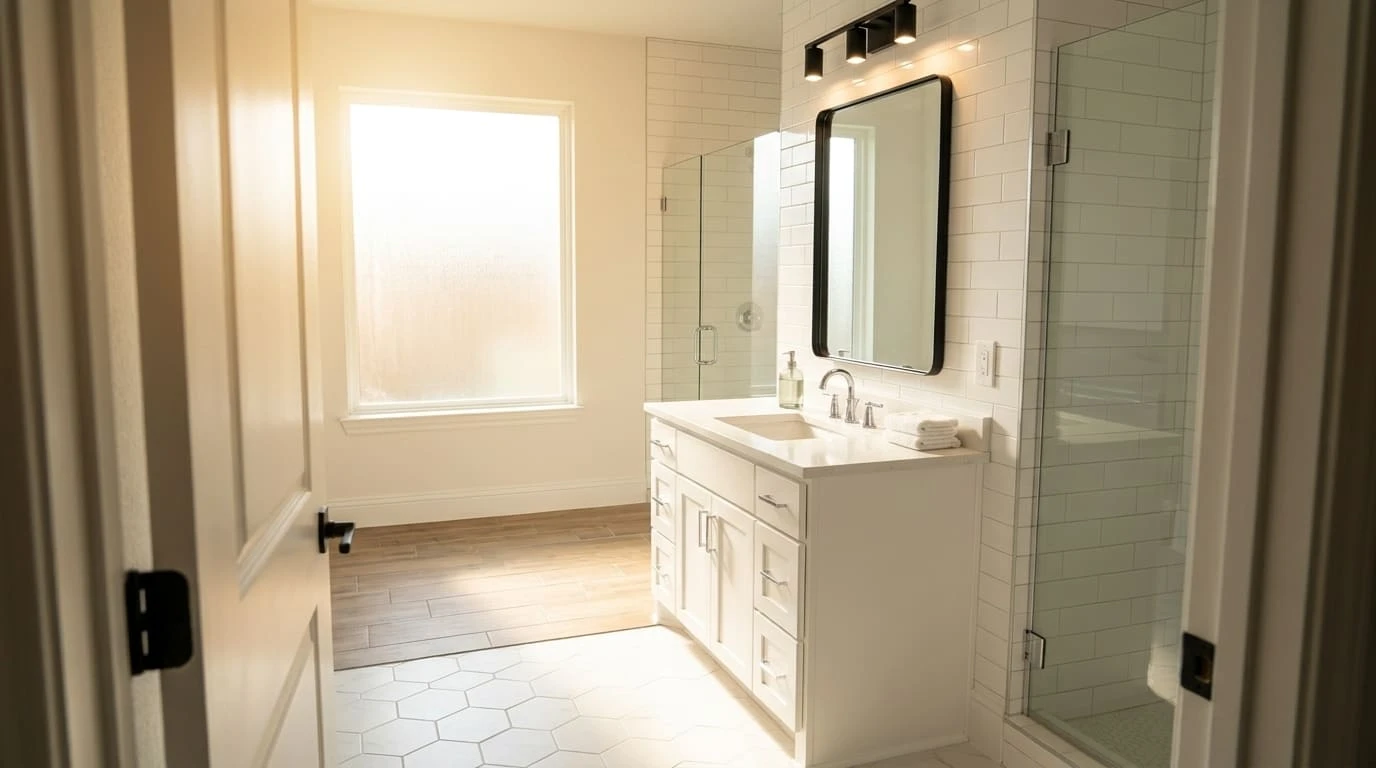
Interestingly, mid-range bathroom remodels have returned roughly three-quarters to four-fifths of their cost, and bathrooms are a top area where agents see rising demand. Therefore, keep the layout, update the fixtures and finishes, and avoid luxury extras. Meanwhile, our guide to what a bathroom update costs in 2026 shows real price ranges.
10. Improve curb appeal and maintenance
Specifically, tidy landscaping, a clean walkway, fresh mulch, a new mailbox, and good outdoor lighting cost little and change how buyers feel in the first ten seconds. Additionally, regular upkeep also protects value, and keeping your home in good shape each fall is a simple place to start.
What usually does not pay back
- First, major kitchen and luxury bathroom remodels. They can make you very happy, but resale returns are usually well below cost.
- Second, large additions. For example, mid-range primary suite additions have returned about a quarter of their cost in national averages.
- Third, very personal design. Bold colors, unusual layouts, and trendy finishes can narrow your buyer pool.
- Also, pools and elaborate outdoor features. They can be a draw in some regions and a burden in others.
- Finally, overbuilding for the street. If your house becomes the nicest one on the block, buyers may not pay the premium. In short, neighborhood prices put a ceiling on value.
Does this mean you should never do them? Not at all. Of course, if you are staying for years and the project will improve your daily life, a lower resale return can still be a good choice. Therefore, just make that decision with open eyes, not on a false promise.
How to choose the right project for you
- First, fix the basics. Leaks, wiring, roof, and structure come before beauty. After all, unfixed problems cost more later.
- Second, ask a local agent. A free walk-through can tell you what buyers in your area expect and which upgrades matter.
- Third, match the project to your timeline. Selling soon? Choose quick, visible work. Conversely, staying long? Choose comfort and efficiency.
- Also, get written quotes. Pricing a job with more than one contractor protects you from surprises.
- Next, plan the money. Decide how much to set aside for surprises before you start, since most projects run over without a cushion.
- Finally, check permits. Finding out if your project needs a permit avoids trouble when you sell.
| Your plan | Best bets |
|---|---|
| Selling in the next 6 months | Paint, front door, garage door, curb appeal, deep cleaning, small repairs |
| Selling in 1 to 3 years | Add a refreshed kitchen, refinished floors, and exterior updates, then fix anything an inspector would flag |
| Staying 5 to 10 years | Roof, insulation, windows, kitchen and bath updates you will enjoy daily |
| Staying long term | Projects for comfort and aging in place, even if resale returns are lower |
Meanwhile, if you are curious which styles may be popular with buyers soon, see styles buyers may favor next year.
The tax angle most homeowners miss
Interestingly, here is a quiet benefit of improvements. Specifically, when you sell your main home, you may be able to exclude up to $250,000 of gain if you are single, or $500,000 if you are married and filing jointly, as long as you owned and lived in the home for at least two of the last five years. As a result, the money you spend on capital improvements can raise your home’s “basis,” which can reduce your taxable gain.
- For example, this counts as an improvement: an addition, a new roof, a new HVAC system, a kitchen remodel, new flooring, or anything that adds value, prolongs the home’s life, or adapts it to a new use.
- By contrast, this usually does not count: routine repairs and maintenance, such as fixing a leak or repainting, unless they are part of a larger remodel.
- Above all, keep receipts. Records for every improvement can matter years later.
The IRS explains the rules in Publication 523. However, this is general information, not tax advice, so ask a tax professional about your situation.

Frequently asked questions
What home improvements add the most value?
Specifically, in the latest Cost vs. Value report, garage door replacement, steel entry doors, and manufactured stone veneer returned the most, each recovering more than twice their cost. Meanwhile, a minor kitchen remodel and new siding returned a little more than their cost. By contrast, big remodels and additions usually return much less.
Does a kitchen remodel add value?
Yes, but scope matters. Specifically, a minor kitchen remodel returned about 113 percent of its cost in the latest national ranking, while major kitchen remodels recouped roughly a third to a half. In short, a refresh usually beats a full gut.
What are the cheapest improvements that add value?
For example, fresh paint, a new front door, a new garage door, better lighting, tidy landscaping, and a deep clean. In fact, Realtors often recommend painting the whole house before listing.
What should I fix before selling my house?
First, fix anything an inspector would flag, like leaks, roof problems, or electrical issues. Then focus on paint, curb appeal, and small cosmetic updates. Finally, ask a local agent which upgrades matter most in your area.
Will home improvements raise my property taxes?
Yes, they can, in some places. Specifically, many counties reassess when permitted work adds value, and rules vary a lot by state and county. Therefore, check with your local assessor before a large project.
Are these returns guaranteed?
Absolutely not. Specifically, these are national averages based on cost estimates and expert opinions, not guaranteed sale prices. In fact, your local market, the condition of your home, and how well the project is done all change the result.
Final thoughts
In the end, the smartest spenders do not chase the biggest project. Instead, they look at their house through a buyer’s eyes, fix what is broken, polish what is visible, and spend big only where it improves life in a way they care about.
Therefore, start small. Then, take a slow walk around your house tonight, from the street. Finally, notice what you see first. In fact, that one honest look is probably worth more than any ranking.
Keep planning your project
More practical, plain-English guides on costs, permits, design, and hiring from the RemodelPulse team.